The Power of Action
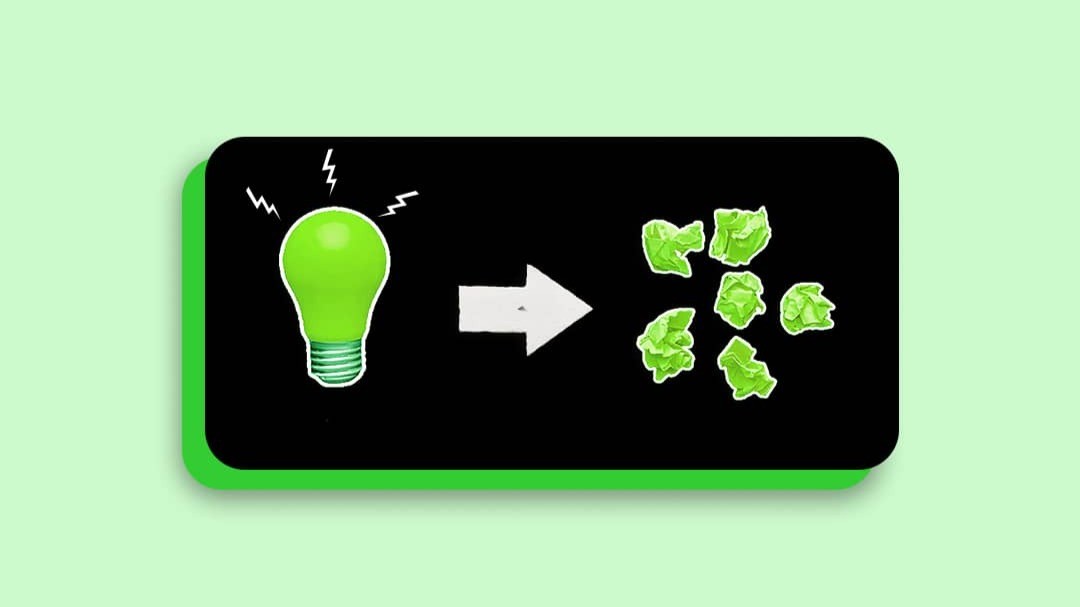
We’ve all been there—that moment when inspiration strikes and a brilliant idea takes shape in our minds. But here’s the hard truth: an idea, no matter how groundbreaking, is worthless until you act on it. The entrepreneurial journey isn’t about who has the best ideas; it’s about who can turn those ideas into tangible, impactful realities.
In this guide, I’ll walk you through the crucial steps to bridge the gap between ideation and creation. Whether you’re a first-time founder or a seasoned entrepreneur, these strategies will help you navigate the challenging but rewarding path from concept to product.
1. Refine Your Idea: Focus on What Matters
You might have a notebook full of ideas, but successful execution starts with laser-like focus. Here’s how to refine your concept:
- Identify the core problem: What specific issue are you solving? The more precise, the better.
- Know your audience: Who exactly will benefit from your solution?
- Differentiate: How is your approach unique compared to existing solutions?
Remember, it’s not about having the most features or the flashiest concept. It’s about solving a real, pressing problem for your target market in a way that resonates.
2. Set Actionable Milestones: Break It Down
The journey of a thousand miles begins with a single step, and your entrepreneurial journey is no different. Here’s how to set milestones that drive progress:
- Start small: Begin with weekly goals, then expand to monthly and quarterly targets.
- Be specific: Instead of “develop app,” try “complete user authentication module by Friday.”
- Celebrate wins: Acknowledge each milestone achieved, no matter how small.
By breaking your grand vision into bite-sized, actionable steps, you create momentum and avoid the paralysis that comes with facing a seemingly insurmountable task.
3. Validate Your Idea Early: Embrace Feedback
This step separates successful entrepreneurs from dreamers. Don’t fall into the trap of perfecting your idea in isolation. Instead:
- Create a simple landing page: Gauge interest before building anything.
- Conduct user interviews: Talk to potential customers about their pain points.
- Use social media: Float your idea and analyze the response.
Remember, negative feedback isn’t a setback—it’s valuable data that can help you pivot and refine your concept before investing significant time and resources.
4. Build a Minimum Viable Product (MVP): Start Small, Think Big
Your MVP isn’t about impressing people with bells and whistles. It’s about proving your concept with the least amount of effort. Here’s how to approach it:
- Identify core features: What’s the absolute minimum needed to solve the problem?
- Set a deadline: Give yourself a tight timeframe to avoid feature creep.
- Embrace imperfection: Your MVP should be functional, not flawless.
The goal is to get something tangible in front of users as quickly as possible. Their feedback will be infinitely more valuable than any assumptions you make in isolation.
5. Assemble a Strong Team: You Can’t Do It Alone
Even the most talented entrepreneurs need support. Building a team isn’t just about delegating tasks; it’s about creating a support system that can weather the storms of startup life:
- Identify your weaknesses: Be honest about where you need help.
- Look for complementary skills: Seek team members who fill your gaps.
- Prioritize passion: Technical skills can be learned, but genuine enthusiasm is priceless.
A strong team isn’t just about individual talents—it’s about how well you work together towards a common goal.
The Journey Begins Now
Transforming an idea into reality is no small feat. It requires courage, persistence, and a willingness to adapt. By refining your concept, setting clear milestones, validating early, building an MVP, and assembling the right team, you’re not just dreaming—you’re doing.
The path from idea to execution is rarely straight, and it’s never easy. But with these strategies in your toolkit, you’re well-equipped to navigate the challenges ahead.
You pretty much looked around and have seen that every successful product or service started as a simple idea. The difference is that someone decided to act.
Your journey from concept to creation starts now.
What will you build?